
Bus Factor Risk: A CTO’s Guide to Shared Ownership

When one engineer holds critical system knowledge, another name on an ownership chart is not enough. Use this decision framework to test coverage, fund knowledge transfer, and decide whether permanent hiring is justified.
Dependency Updates: A 7-Step Workflow Beyond Green CI

A dependency bot can open a pull request, but it cannot own your release decision. Use a seven-step workflow to prioritize upgrades, collect useful evidence, verify deployment, and identify where added engineering capacity would help.
An Interview Scorecard Your CTO and Recruiting Partner Can Both Use

Align your engineering team and recruiting partner around job-specific evidence. This guide includes a practical interview scorecard, a backend-engineering example, and a decision process for permanent hires when ratings or evidence disagree.
API Load Testing: 7 Checks for Trustworthy Results

A passing load test does not automatically prove release readiness. Use seven practical checks to validate API traffic, correctness, measurements, and limitations—and turn the results into an engineering decision your team can defend.
How to Identify Engineering Bottlenecks Before Hiring More Developers

A slower engineering team does not automatically need more developers. Learn how to identify bottlenecks across planning, development, review, QA, deployment, operations, and specialized expertise before adding headcount.
7 Signs Your Engineering Team Needs More Capacity

A growing backlog does not automatically mean your engineering team needs more developers. This guide explains seven signs of a real capacity problem and how technology leaders can separate staffing constraints from workflow, tooling, ownership, and prioritization issues.
Monolith vs Microservices for Scaling Engineering Teams
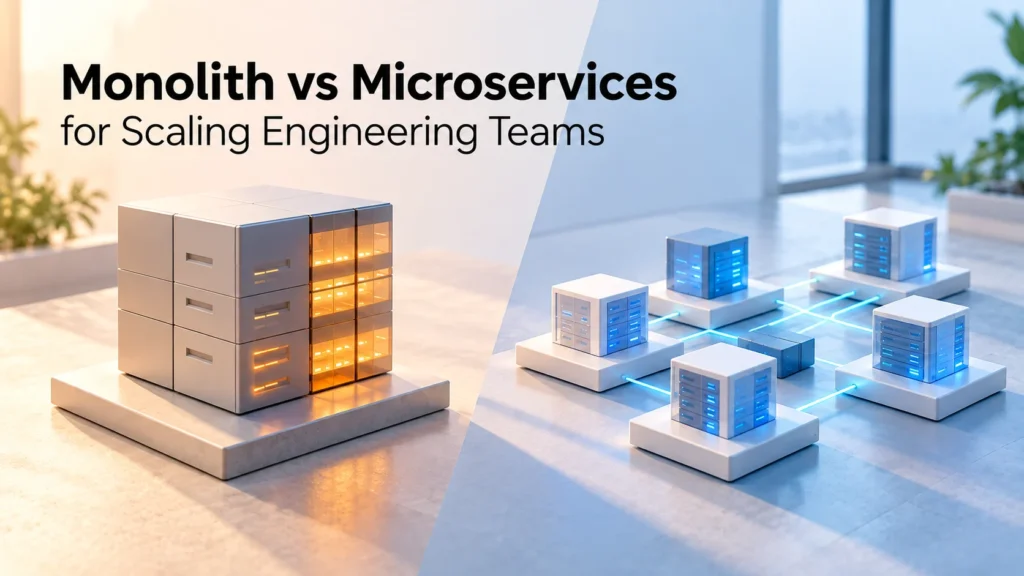
Choosing between a monolith and microservices is not simply a question of application size. This guide compares scalability, deployment, team ownership, operational complexity, and modular monoliths to help engineering leaders choose an architecture that fits how their teams actually work.
Technical Project Manager: When to Hire One — and When Not To

Before hiring a technical project manager, separate coordination gaps from unclear priorities and capacity constraints. Use a practical hiring charter, sourcing decision, and first-90-days review to define a role that can genuinely improve delivery.
Terraform Code Review: A Practical Checklist for Safer Infrastructure Changes
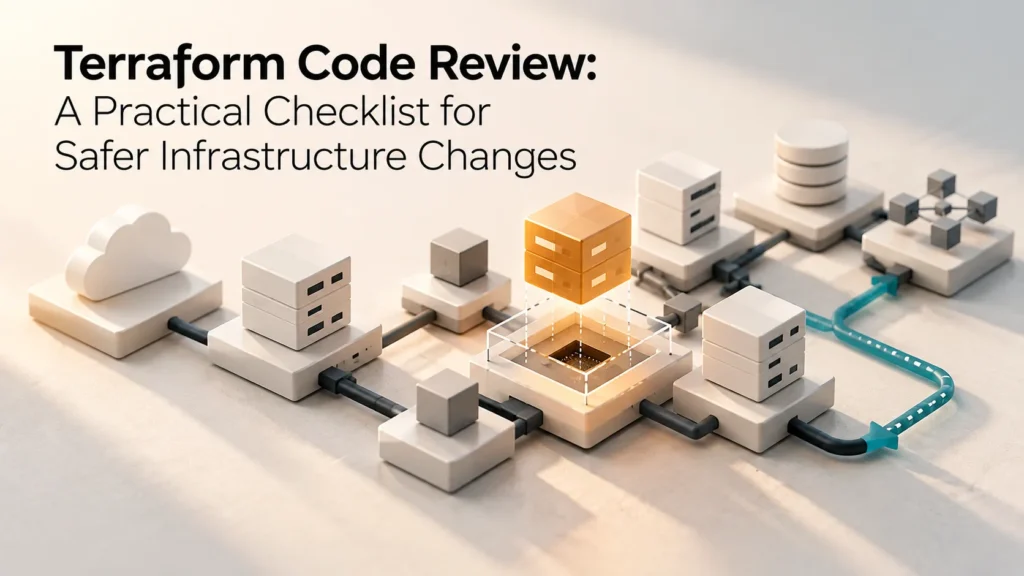
A practical Terraform review workflow for teams whose infrastructure changes outpace review capacity. Learn how to inspect plan risks, protect approval artifacts, assign accountable reviewers, and decide whether a bounded DevOps improvement project fits.
How to Pilot a Nearshore Staff Augmentation Partner Before You Scale

A nearshore partner may promise vetted talent, fast onboarding, and strong cultural fit, but those claims are difficult to evaluate before real work begins. This 30-day pilot framework helps engineering leaders test technical fit, integration, communication, provider support, and scalability before expanding the engagement.